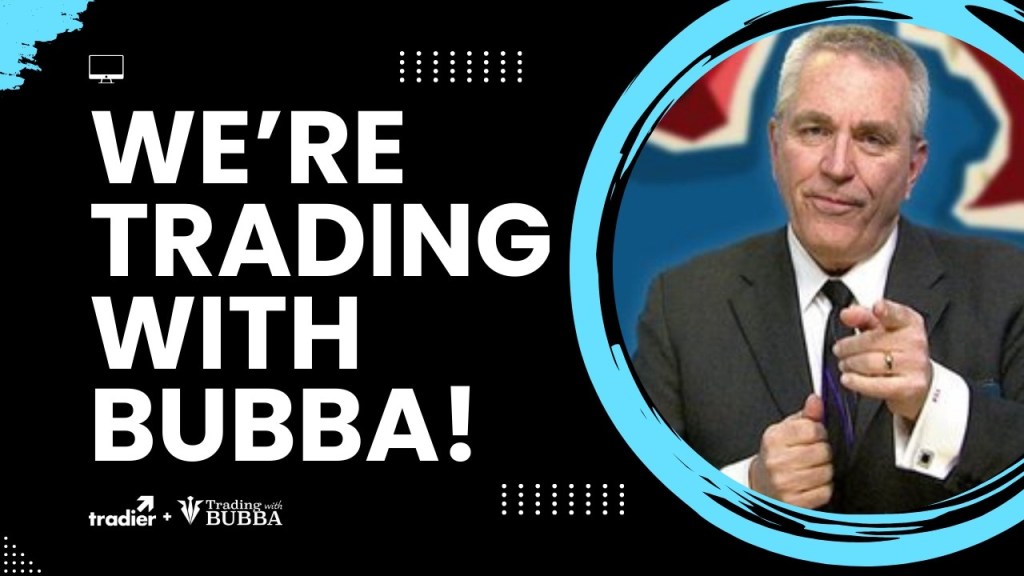
Brian Overby returns from a holiday weekend trip to the Chicago Board Options Exchange to close the book on last week’s Broadcom open wing butterfly, which didn’t work out (the stock leaned the wrong way and the trade expired before he could adjust it), before pivoting to this week’s real focus: positioning ahead of Oracle’s earnings report on Thursday. He’s candid about the setup being speculative. Oracle carries real balance-sheet baggage, tied up in the Ellison family’s involvement in TikTok and Warner Brothers financing along with a heavy debt load that’s increasingly expensive to service as rates rise, but the stock has also round-tripped from a huge AI-driven runup back down to its 200-day moving average, which he frames, half-jokingly, as the closest thing to a textbook dead cat bounce chart pattern he’s seen. If you believe in the AI thesis broadly and want to “catch a falling knife,” as he puts it, Oracle heading into earnings is exactly that kind of trade. Rather than buy the stock outright or sell a naked put, he structures a long call spread: buying the 160 call and selling the 190 call, both in the October 23rd expiration, 44 days out, for a net debit of roughly $950. He walks through why the wider expiration matters here specifically. With earnings landing mid-window, the extra time gives the trade room to recover if the initial reaction goes the wrong way, something a tighter, cheaper spread wouldn’t allow. He’s explicit that this is a FOMO trade, an acknowledgment that the entry is more expensive than he’d normally suggest on the show, but one he’s willing to make because of how directly Oracle is levered to the AI infrastructure buildout. The most instructive part of the episode is his walk-through of the adjustment plan before the trade even goes on. If Oracle drifts modestly higher after earnings, he plans to buy back the short 190 call at a profit as its volatility premium decays and re-sell a tighter call closer to the money, lowering his cost basis. If the stock drops, he’s fine simply closing the spread and salvaging whatever time value remains, since he never wanted the stock outright in the first place. That kind of explicit, pre-built contingency plan, mapped out before the position is even opened, is a good habit for anyone trading around a binary event like earnings. He also flags a specific downside level worth watching regardless of what happens with this particular trade: $113, which lines up with a prior support zone on Oracle’s chart, and notes that a breakdown much past that would put the 200-day simple moving average, then sitting closer to $150, back in play as the next real technical target. Overby closes the episode by reiterating that the trade isn’t really about predicting Thursday’s earnings number itself, which he expects to be solid, but about what management says on the call afterward about continuing capex spend. That, more than the headline print, is what he thinks will actually move the stock either direction, and it’s the variable that makes this earnings trade genuinely a speculative, conviction-based bet rather than a mechanical one. |